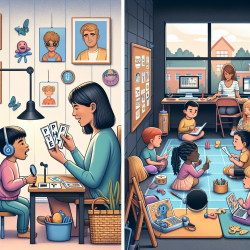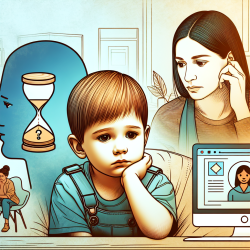
When you know your child needs support, the next step can feel overwhelming
If you’re searching for a speech therapist for your child, you’re already doing something powerful: paying attention and taking action. Whether your child is struggling to pronounce certain sounds, express ideas clearly, follow directions, or participate confidently in conversations, speech therapy can make a meaningful difference—not just in communication, but in self-esteem, learning, and daily life.
Still, many parents get stuck at the same point: Where do I start, and how do I know I’m choosing the right therapist?
This guide breaks the process into clear, practical steps—so you can move forward with confidence. We’ll also share how TinyEYE’s new Private Therapy service helps families find and book licensed pediatric therapists quickly through secure, engaging online sessions (separate from TinyEYE’s school-based services).
Step 1: Understand what type of speech support your child may need
Speech therapy is a broad field. Before you begin your search, it helps to identify what you’re noticing at home, at school, or in social settings. You don’t need a diagnosis to start—just observations.
- Speech sound challenges: difficulty saying certain sounds (for example, “r,” “s,” or “k”), being hard to understand, or leaving out sounds in words
- Language challenges: trouble understanding questions, following directions, learning new words, forming sentences, or telling stories
- Social communication challenges: difficulty taking turns in conversation, staying on topic, reading social cues, or joining peer interactions
- Fluency challenges: stuttering or repeating sounds/words
- Voice challenges: hoarseness, strain, or unusual pitch/volume
If you’re also noticing challenges with fine motor skills, sensory processing, handwriting, feeding, or daily routines, your child may benefit from occupational therapy as well. Many families explore both services, especially when communication and regulation skills overlap.
Step 2: Decide where you want therapy to happen (and what fits your family)
Families typically consider a few common options:
- Clinic-based private therapy: in-person sessions at a local practice
- Hospital or community programs: may have longer waitlists but can be helpful resources
- School-based therapy: provided through the education system when a child qualifies (often focused on school impact)
- Online private therapy: therapy delivered virtually, often with more flexible scheduling and broader access to specialists
There’s no one “best” setting—only what works best for your child and your family. For many parents, online private therapy becomes the practical choice when local providers have long waitlists, travel is difficult, or a child does better learning from home.
Step 3: Know what to look for in a pediatric speech therapist
Credentials matter, but so does connection. A strong therapist-child match can make sessions more productive and more enjoyable.
Here are key qualities to look for:
- Licensed and qualified: confirm the therapist is licensed to practice and has pediatric experience
- Experience with your child’s needs: ask whether they commonly work with your child’s age group and goals (articulation, language, fluency, social communication, etc.)
- Engaging approach: therapy should feel purposeful and motivating, not stressful or repetitive
- Clear communication with parents: you should understand the plan, the goals, and how to support progress at home
- Measurable progress: the therapist should track outcomes and adjust strategies when needed
Step 4: Ask the right questions before you commit
When you’re contacting providers, it’s easy to focus only on availability. Availability matters—but asking a few targeted questions can save you time and help you find a better fit.
- What will the first few sessions look like? Ask about assessment, goal-setting, and how they build rapport.
- How do you measure progress? Look for clear goals and regular updates.
- How do you involve parents or caregivers? The best outcomes often happen when therapy strategies carry over into daily routines.
- What is your approach if my child is shy, distracted, or resistant? This reveals how the therapist handles real-life behavior and attention challenges.
- How often do you recommend sessions? Frequency can vary based on needs and goals.
- Do you provide home practice ideas? Small, consistent practice can make a big difference.
Step 5: Watch for signs it’s working (and signs you may need a different fit)
Therapy is a process. Some skills improve quickly; others take time. The early weeks are often about building trust and establishing routines.
Positive signs:
- Your child feels comfortable with the therapist and participates more over time
- You understand the goals and can see how sessions connect to real-life skills
- You receive updates and strategies you can use at home
- Your child shows small wins—clearer sounds, longer sentences, more confidence, fewer frustrations
Potential red flags:
- Goals are unclear or never updated
- You rarely hear about progress or next steps
- Your child consistently dreads sessions with no plan to address it
- Sessions feel generic and not tailored to your child
If something feels off, it’s okay to ask for changes—or seek a different provider. Finding the right therapist is like finding the right teacher or coach: the relationship matters.
How TinyEYE Private Therapy helps families find the right therapist—fast
TinyEYE is known for supporting schools with online therapy services, but TinyEYE now offers a separate option designed specifically for families: TinyEYE Private Therapy.
Private Therapy is built around one goal: making it easier for families to access high-quality pediatric therapy without unnecessary delays or complicated processes. If you’ve ever felt stuck between long waitlists, scheduling challenges, and uncertainty about fit, this model is designed to remove friction and help you move forward.
What makes TinyEYE Private Therapy different?
- Find and book in minutes: TinyEYE connects families with the right therapist quickly, so you can spend less time searching and more time supporting your child.
- Licensed pediatric specialists: Every therapist is licensed, experienced in pediatric care, and trained to deliver engaging online sessions.
- Speech Therapy and Occupational Therapy: Support is available for children ages 3–17, including both speech and OT services.
- Engaging, personal sessions: Therapy is designed to be effective and motivating, helping children build skills and confidence.
- Secure online platform: Sessions take place through a secure, family-friendly virtual environment.
Is online speech therapy effective for kids?
For many children, yes—especially when sessions are interactive, personalized, and delivered by trained pediatric clinicians. Online therapy can be a strong fit when:
- Your child responds well to digital activities and structured screen time
- You want therapy that fits into busy family schedules
- You live far from providers or face limited local availability
- Your child feels more comfortable practicing skills at home
Like any therapy, success depends on the quality of the clinician, the consistency of sessions, and the match between your child’s needs and the therapy approach. The advantage of a service like TinyEYE Private Therapy is that it’s designed to make that match easier—without sacrificing clinical quality.
A simple next step: turn uncertainty into a plan
If you’re wondering whether your child needs speech therapy, you don’t have to have everything figured out before you start. Begin with what you see, ask the right questions, and choose a provider that makes you feel supported—not rushed.
Your child’s communication skills can grow. Their confidence can grow, too. And with the right therapist, progress becomes something you can see and celebrate—step by step.
For more information, please follow this link.