When a Lisp Is More Than “Cute”: What Families and Schools Should Know
Many children experiment with sounds as they learn to talk. Sometimes that includes a lisp—most often heard as a “th” sound in place of “s” or “z” (for example, “thun” for “sun”). Adults may describe it as adorable, and families are often told, “They’ll grow out of it.”
Sometimes they do. Sometimes they don’t. And when a lisp continues past the age when most children have mastered those sounds, it can affect confidence, classroom participation, reading and spelling, and social interactions.
This post breaks down what a lisp is, what types exist, when to seek help, what speech therapy for a lisp typically involves, and how TinyEYE Therapy Services can support schools with online speech therapy options.
What Is a Lisp, Exactly?
A lisp is a speech sound pattern where airflow and tongue placement change the way “s” and “z” (and sometimes “sh,” “ch,” “j”) are produced. These are called fricatives—sounds that require a steady stream of air directed through a narrow space.
When the tongue, teeth, and airflow aren’t coordinated the way they need to be, the sound can come out distorted or substituted.
Types of Lisps (And Why the Type Matters)
Not all lisps sound the same, and the type can influence how a speech-language pathologist (SLP) approaches therapy.
Interdental (Frontal) Lisp: The tongue comes forward between the teeth. “S” and “Z” often sound like “TH.” This is the most common lisp families notice.
Dentalized Lisp: The tongue pushes against the front teeth. Speech may sound “muffled” or less crisp, even if it doesn’t clearly sound like “TH.”
Lateral Lisp: Air escapes over the sides of the tongue. The “S” may sound “slushy” or “wet.” This pattern typically does not resolve on its own and often benefits from direct therapy.
Palatal Lisp: The tongue contacts the soft palate area. This is less common and usually requires targeted support from an SLP.
Is a Lisp Ever Developmentally Typical?
Some sound errors are common in early childhood as speech develops. A frontal lisp can be seen in younger children, especially during the preschool years. The key question is whether the pattern persists beyond the expected developmental window or begins to affect the child’s daily life.
While milestones vary, many children develop clearer “s” and “z” productions by the early elementary years. If a lisp continues into later elementary grades, becomes more noticeable, or causes frustration, it’s worth pursuing an evaluation.
Signs Your Child May Benefit From Speech Therapy for a Lisp
Families and educators often ask, “How do I know if it’s time?” Here are practical signs that support seeking help:
Your child is hard to understand for unfamiliar listeners, especially in longer sentences.
The lisp persists past early elementary years or seems to be getting more noticeable.
Your child avoids certain words (especially words with “s” or “z”) or speaks less in class.
Peers comment or tease, even in subtle ways, and your child becomes self-conscious.
Spelling and reading are impacted because the child hears or produces sounds inconsistently.
There are related oral habits such as prolonged thumb sucking, tongue thrust, or open-mouth posture.
An SLP can determine whether the lisp is developmental, habitual, or related to structural or functional factors (like dental changes, bite patterns, or tongue placement habits).
What Causes a Lisp?
Lisps can have more than one contributing factor. Common influences include:
Habitual tongue placement (the tongue rests or moves forward during speech)
Dental changes (missing front teeth can temporarily affect “s” and “z,” though many children still compensate well)
Oral habits such as thumb sucking or prolonged pacifier use
Tongue thrust (forward tongue movement during swallowing that can carry over into speech)
Reduced awareness of airflow and where sound is “supposed” to resonate
Importantly, a lisp is not a sign of low intelligence or poor effort. It’s a coordination and placement issue—exactly the kind of challenge speech therapy is designed to address.
What Speech Therapy for a Lisp Typically Looks Like
Speech therapy is not just repeating “s, s, s” until it sounds right. Effective therapy is structured, individualized, and focused on helping the child generalize the correct sound into everyday conversation.
1) Assessment and Goal Setting
An SLP begins by identifying the lisp type, the specific sounds affected, and where the breakdown occurs (single sounds, words, sentences, conversation). They also look at related factors like oral posture, breathing patterns, and intelligibility in the classroom.
2) Building Awareness (The “Detective” Stage)
Many children with lisps don’t hear the difference between their production and a crisp “s.” Therapy often starts with listening and discrimination activities so the child can recognize “correct vs. not yet.”
3) Teaching Placement and Airflow
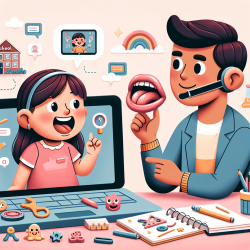
For many lisps, the core skill is learning where the tongue should be (often behind the teeth, not between them) and how to direct airflow down the center of the mouth. SLPs may use visual cues, mirrors, and simple explanations that match the child’s age.
4) Practicing in a Sequence (Sound to Conversation)
Therapy usually moves through a predictable progression:
Correct sound in isolation
Sound in syllables (e.g., “see,” “soo”)
Sound in words (beginning, middle, end)
Sound in phrases and sentences
Sound in structured conversation
Sound in real-life speaking (classroom, presentations, social talk)
5) Generalization and Confidence
One of the most important parts of therapy is helping the child use the new sound outside the therapy session. This is where coordination between the SLP, teachers, and caregivers can make a big difference—short, consistent practice beats long, stressful drills.
How Schools Can Support Students With Lisps
In school settings, the goal is not perfection—it’s functional communication and participation. Helpful supports include:
Positive, private reminders (avoid calling out speech errors publicly)
Opportunities for low-pressure speaking (partner shares, small groups)
Consistent practice routines aligned with the SLP’s plan
Encouraging self-advocacy (“Can I try that word again?”)
When speech support is consistent and respectful, students are more likely to take risks, practice, and improve.
Online Speech Therapy: A Practical Option for Schools and Students
Many schools face staffing shortages, scheduling challenges, and growing caseloads. Online therapy can help close service gaps while keeping support consistent for students.
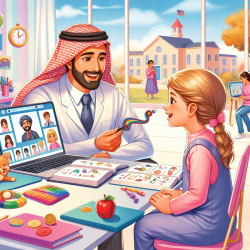
TinyEYE Therapy Services provides online therapy services to schools, including speech-language support that can address articulation needs like lisps. With a structured approach, engaging digital tools, and school-based collaboration, online therapy can be an effective way to deliver services—especially when in-person providers are limited.
Online sessions can also reduce missed therapy time due to travel between buildings, and they can make it easier to maintain a consistent schedule—one of the biggest predictors of progress for articulation goals.
What Families Can Do Right Now
If you’re concerned about your child’s lisp, here are a few supportive next steps:
Request a speech evaluation through your school or a licensed SLP.
Notice patterns: Is it only “s” and “z”? Is it in all positions of words? Is it worse when your child is excited or speaking quickly?
Avoid frequent corrections in the moment. Instead, ask the SLP for a simple home practice routine.
Celebrate effort. Confidence matters, and many children improve faster when they feel safe practicing.
For more information, please follow this link.