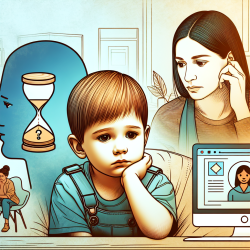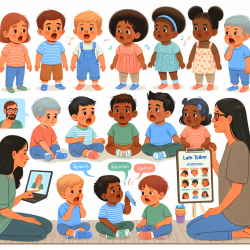
Many families wonder the same thing: “Is my toddler just a late talker, or is this a speech delay?” It’s a common concern—especially because toddlers develop at different rates, and a child who seems quiet at 18 months can sound like a chatterbox by age 3. At the same time, some children benefit from early support, and waiting too long can make communication (and behavior, learning, and social connection) harder than it needs to be.
This guide breaks down what “late talker” typically means, how it differs from a broader speech or language delay, what milestones to watch, and when it’s time to ask for help.
First, a Quick Clarification: Speech vs. Language
Parents often use “speech” to describe any communication concern, but professionals separate it into two areas:
- Speech: How your child says sounds and words (pronunciation, clarity, fluency, voice).
- Language: How your child understands and uses words to communicate (vocabulary, combining words, following directions, using gestures, social communication).
A toddler may have a speech sound issue (hard to understand) with strong language skills, or a language delay (few words, difficulty understanding) even if their speech sounds are clear.
What Is a “Late Talker”?
A “late talker” is typically a toddler who is slower to start using spoken words but is otherwise developing as expected. Many late talkers have:
- Good understanding of language (they seem to “get it”)
- Strong play skills
- Typical social interest (they connect, share attention, and engage)
- Use of gestures (pointing, waving, showing)
- Steady progress over time, even if slower than peers
A common profile is a child around age 2 who understands a lot, follows simple directions, and communicates with gestures or sounds, but has fewer spoken words than expected.
What Is a Speech or Language Delay?
A speech or language delay means a child’s communication skills are developing more slowly than expected for their age, and the gap may be significant or persistent. A delay can affect:
- Expressive language (using words and sentences)
- Receptive language (understanding words and directions)
- Speech clarity (how understandable they are)
- Social communication (back-and-forth interaction, eye contact, joint attention)
Some toddlers are late talkers who “catch up” naturally, but others have a true delay that benefits from targeted support. The goal isn’t to label—it’s to make sure your child gets the right help at the right time.
Toddler Communication Milestones (General Guidelines)
Milestones vary, but these benchmarks can help you decide whether to monitor or seek an evaluation. If your child was born early, consider their adjusted age when thinking about milestones.
By 12 Months
- Uses gestures like pointing, waving, reaching
- Babbles with a variety of sounds (e.g., “bababa,” “dadada”)
- Responds to their name
- Understands simple words like “no,” “bye-bye,” “milk” (varies by child)
By 18 Months
- Uses several words (often 10–20, though ranges vary)
- Uses gestures and vocalizations to communicate needs
- Follows simple one-step directions (e.g., “Get your shoes”)
- Points to show interest (not just to request)
By 24 Months
- Uses at least 50 words (a commonly cited guideline)
- Begins combining two words (e.g., “more juice,” “mommy up”)
- Understands simple questions (e.g., “Where’s your nose?”)
- Communicates for different reasons: requesting, commenting, protesting, greeting
By 36 Months
- Uses short sentences (3+ words)
- Understood by familiar listeners most of the time
- Follows two-step directions (e.g., “Get your coat and bring it here”)
- Engages in simple back-and-forth conversation
Signs Your Toddler May Be a Late Talker (and Still on Track)
These signs often suggest a child may simply be developing spoken language later, especially if you’re seeing steady progress:
- They understand what you say and follow directions appropriate for their age
- They use gestures frequently (pointing, showing, nodding, waving)
- They make good eye contact and enjoy interacting
- They play in a typical way for their age (pretend play begins around age 2)
- They try to communicate even without many words (sounds, actions, facial expressions)
- Their word count is growing month to month, even if slowly
Red Flags That Suggest a Speech or Language Delay
Consider seeking an evaluation if you notice one or more of the following:
- Limited understanding: difficulty following simple directions or seeming not to “get” familiar words
- Few or no gestures by 12–15 months (especially limited pointing)
- No words by around 16 months, or very few words by 18 months
- No two-word combinations by 24–30 months
- Loss of skills: they used words or gestures and then stopped
- Limited social connection: reduced eye contact, little interest in interaction, difficulty with back-and-forth
- Frustration and frequent meltdowns tied to communication challenges
- Speech is very hard to understand compared with peers (beyond typical toddler “mispronunciations”)
Red flags don’t automatically mean something serious is happening, but they do mean it’s worth getting professional input sooner rather than later.
Common Reasons Toddlers Talk Later
There isn’t one single cause. Some common contributors include:
- Family history of late talking, speech/language delays, or learning differences
- Hearing issues (including frequent ear infections or fluid in the ears)
- Developmental language delay (sometimes isolated, sometimes part of a broader profile)
- Speech sound challenges that make talking harder or less rewarding
- Limited opportunities for back-and-forth conversation (busy routines, fewer interactive exchanges)
- Neurodevelopmental differences that may affect communication and social interaction
Because hearing plays such a big role in language learning, many professionals recommend a hearing check if speech and language concerns are present.
What You Can Do at Home (Simple Strategies That Help)
You don’t need special materials to support language—your everyday routines are the best “therapy space.” Try these approaches consistently for a few weeks and watch for progress.
1) Talk Less, Pause More
It’s natural to fill silence. Instead, give your toddler time to respond.
- Ask a simple question, then pause for 5–10 seconds
- Look expectantly and wait
- Accept gestures or sounds as communication attempts
2) Use “One Step Ahead” Language
Model language slightly above your child’s current level.
- If they use sounds/gestures: model single words (“up,” “more,” “ball”)
- If they use single words: model two-word phrases (“more bubbles,” “big truck”)
- If they use two words: model short sentences (“I want bubbles”)
3) Build Language Into Routines
Repetition helps toddlers learn. Use the same words during predictable moments:
- Bath: “wash,” “pour,” “all done”
- Meals: “more,” “eat,” “drink,” “help”
- Getting dressed: “shirt on,” “shoes on,” “zip up”
4) Follow Their Lead in Play
When you talk about what your child is already focused on, language sticks better.
- Narrate what they’re doing (“car go,” “stack up,” “uh-oh fall”)
- Imitate their actions and add a word or two
- Keep it fun and pressure-free
5) Read the Same Books Again and Again
Re-reading builds vocabulary and confidence.
- Point to pictures and label them
- Use simple repetitive phrases (“night-night,” “bye-bye”)
- Let your toddler turn pages and point—even if you don’t finish the book
When to Seek Help (and Why Earlier Is Often Better)
If you’re unsure, a speech-language evaluation can provide clarity. The evaluation doesn’t commit you to long-term therapy—it simply answers key questions:
- Is your child’s communication developing as expected?
- Is this more consistent with late talking or a language delay?
- What skills should be targeted first?
- What can caregivers and educators do right now?
Early support can reduce frustration, strengthen social connection, and build a foundation for later learning. It can also help adults around the child use consistent strategies at home and in school settings.
How TinyEYE Supports Schools (and the Families They Serve)
TinyEYE provides online therapy services to schools, helping students access speech-language support when in-person services are limited or when schools need additional capacity. When schools partner with providers like TinyEYE, it can mean:
- More consistent access to qualified speech-language pathologists
- Support that fits into the school day
- Collaboration with educators and school teams
- Clear goals and progress monitoring
If your toddler is approaching preschool age, school-based services and early learning programs may be part of the support pathway—especially when communication impacts participation, learning, or social interaction.
Key Takeaways
- A late talker often has strong understanding, social engagement, and gestures, with slower spoken word growth.
- A speech or language delay may include challenges with understanding, limited gestures, minimal progress, or reduced social communication.
- Milestones are guidelines, but red flags (like loss of skills or limited understanding) should prompt an evaluation.
- Home strategies help, but professional guidance can provide clarity and a plan.
For more information, please follow this link.