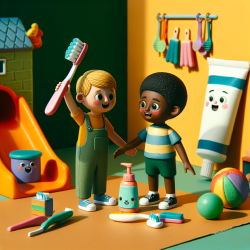
For many families (and school teams), toothbrushing sounds like a simple daily habit—until it turns into tears, gagging, refusal, or a full-body meltdown. When a child “won’t brush,” it’s often not about behavior or defiance. It can be about sensory processing.
Occupational therapy (OT) looks at the whole child: how they experience touch, taste, smell, sound, movement, and body awareness—and how those sensations affect everyday routines. Toothbrushing is a sensory-heavy task: strong flavors, buzzing sounds, scratchy bristles, foamy textures, and hands inside the mouth. For kids with sensory sensitivities or sensory-seeking needs, brushing can feel overwhelming or, in some cases, not stimulating enough to register.
This post shares OT-informed, sensory-based strategies that can help children build tolerance, confidence, and independence with toothbrushing—whether you’re supporting students in a school setting or helping at home.
Why toothbrushing is such a sensory challenge
Toothbrushing combines multiple sensations at once. A child may struggle with one sensory input or several:
Tactile sensitivity: The feel of bristles on gums, toothpaste foam, or saliva can be “too much.”
Oral sensitivity: Some children have a strong gag reflex or dislike anything near the back of the mouth.
Taste and smell: Mint can burn; strong flavors can trigger avoidance.
Auditory sensitivity: Electric toothbrush buzzing can feel loud or startling.
Motor planning and coordination: The sequence (open, spit, rinse, brush all surfaces) can be hard to organize.
Interoception differences: Some kids don’t notice “dirty mouth” sensations, so brushing doesn’t feel meaningful.
Understanding the “why” helps adults respond with support instead of pressure. OT strategies aim to adjust the sensory experience and teach skills gradually, so brushing becomes doable.
Start with the right mindset: progress over perfection
For a child with sensory needs, the goal may not be a perfect two-minute brush on day one. OT often uses a graded exposure approach: small steps that build tolerance over time.
Step 1: Tolerate the toothbrush in the bathroom
Step 2: Touch toothbrush to lips
Step 3: Brush front teeth for 5 seconds
Step 4: Increase time and add new areas gradually
Celebrating small wins reduces stress and helps children feel successful—an essential ingredient for long-term habit building.
OT sensory strategies to make toothbrushing easier
1) Choose a toothbrush that matches the child’s sensory profile
The “best” toothbrush is the one the child can tolerate consistently. Consider experimenting with:
Soft or ultra-soft bristles for sensitive mouths
Smaller brush heads to reduce gagging and improve control
Silicone brushes for kids who dislike bristles (some find silicone gentler)
Electric toothbrushes for kids who seek strong sensory input (but avoid if buzzing is distressing)
Thicker handles or grip supports for better control and comfort
Tip: Let the child pick from two acceptable options. Choice can reduce anxiety and increase buy-in.
2) Rethink toothpaste: flavor, foam, and “spice” level
Toothpaste is often the dealbreaker. Many children find mint intense or painful. OT teams often suggest:
Try mild flavors (bubblegum, berry, unflavored) if appropriate for the child
Use a tiny smear at first (even just water on the brush during early tolerance-building)
Experiment with non-foaming options if foam triggers gagging
If a child refuses toothpaste entirely, you can still build the brushing routine first, then add toothpaste later as tolerance improves.
3) Use “mouth wake-up” input before brushing
Some kids do better when the mouth is prepared with calming or organizing sensory input. Depending on the child’s needs, try:
Deep pressure around the jaw and cheeks (firm, gentle massage externally)
Vibration input to the cheeks or lips (if tolerated) before moving inside the mouth
Chewy or crunchy snacks earlier in the routine (when appropriate) to provide organizing oral input
Warm washcloth to wipe the face and lips to reduce tactile defensiveness
These strategies can help the nervous system “get ready” for the sensations of brushing.
4) Build a predictable routine with visual supports
Many children benefit from knowing exactly what comes next. A simple visual schedule can reduce anxiety and improve independence.
Go to sink
Get toothbrush
Put toothpaste on
Brush teeth
Spit
Rinse (if appropriate)
All done
In schools, visuals can be especially helpful for students who thrive on structure or who have communication differences. Consistency across home and school routines can also speed up progress.
5) Use graded timing and clear “end points”
Two minutes can feel endless to a child who is overwhelmed. Instead:
Start with 5–10 seconds and build slowly
Use a timer so the child can see or hear when it will end
Try “first/then” language (First brush, then story)
Clear end points reduce uncertainty, which often reduces resistance.
6) Consider positioning and body stability
Toothbrushing requires postural control and coordination. If a child is wiggly, fatigued, or unstable, brushing becomes harder.
Provide a stable stance (feet supported, stool if needed)
Try sitting for children who struggle to stand at the sink
Use a mirror to support visual feedback and motor planning
When the body feels steady, the mouth often feels easier to manage.
7) Make it playful—but keep the sensory load in mind
Motivation matters, but too much stimulation can backfire for sensory-sensitive kids. Try low-pressure play ideas:
“Brush the toy’s teeth” first, then the child’s teeth
Use a toothbrushing song at a calm volume
Tell a simple story (“We’re brushing the top teeth, now the bottom teeth”)
For sensory seekers, a more energetic song or an electric brush might be motivating—match the strategy to the child.
When gagging, refusal, or distress is intense
If a child gags easily, cries, or becomes highly distressed, it’s a sign to slow down and adjust the plan. OT may focus on:
Desensitization (tolerating touch around the mouth, then inside gradually)
Oral-motor skill building (tongue movement, lip closure, jaw stability)
Reducing triggers (flavor, foam, brush size, noise)
Co-regulation strategies (breathing, calming routines, predictable steps)
If you suspect pain, dental issues, or medical contributors (like reflux), consult appropriate healthcare providers. OT strategies work best when discomfort and medical factors are addressed.
How school teams can support toothbrushing skills
While toothbrushing often happens at home, schools may support related self-care goals through OT services, especially when hygiene impacts participation, comfort, or independence. In educational settings, OT support may include:
Teaching sequencing and routines using visuals
Building sensory tolerance through graded exposure
Recommending adaptive tools (grips, brush types)
Supporting regulation strategies that generalize to self-care tasks
Collaborating with families to create consistent routines
Because every child’s sensory profile is unique, individualized planning matters. What calms one student may overwhelm another.
Key takeaways
Toothbrushing challenges are often sensory-based, not “bad behavior.”
Small changes to brush type, toothpaste, and routine can make a big difference.
Graded exposure and predictable structure help children build tolerance safely.
Occupational therapy can support both sensory regulation and functional self-care skills.
For more information, please follow this link.