As a Special Education Director, I spend a lot of time thinking about access: access to learning, access to services, and access to safe environments where students can thrive. In today’s world, “environment” includes the digital spaces our students spend time in every day.
At TinyEYE, we partner with schools to provide online therapy services, so we understand the benefits of technology when it’s used intentionally and safely. At the same time, we also see what happens when screen time, social media pressure, and online conflict begin to affect student learning, behavior, and mental health.
This post shares key facts and practical action steps schools and families can use right away to support safer social media use and healthier student well-being.
Why This Matters: Key Facts and Data
When we talk about social media and screen time, it helps to start with what we know from data and national guidance.
Screen time is high. According to Washington’s Healthy Youth Survey (HYS) results from 2021, 42% of students reported having three or more hours of screen time per day.
Problematic internet use is a real concern. In 2021, three questions assessing internet use were added to the HYS. Using the Problematic and Risky Internet Use Screening Scale, results showed that 18.1% of Washington tenth-grade students were considered at risk for problematic internet use.
Mental health risks increase with heavy social media use. The U.S. Surgeon General reported that adolescents ages 12–15 who spent more than three hours per day on social media faced double the risk of poor mental health outcomes, including symptoms of depression and anxiety.
Adults should ask and monitor. The American Psychological Association recommends that adults inquire about and monitor the social media use of youths and adolescents.
These points don’t mean that all social media is harmful or that technology should be avoided. They do mean we need consistent, realistic guardrails and ongoing conversations, especially for students who may already be vulnerable due to disability, anxiety, depression, attention challenges, or social communication needs.
What Schools Can Do (Without Turning It Into “One More Initiative”)
Schools are busy. Staff are stretched. Related service staffing shortages are real across the country, and many districts are working hard just to meet IEP minutes and evaluation timelines. The good news is that social media safety supports can be embedded into what schools already do.
Build digital safety into existing routines. Use advisory, SEL blocks, health classes, library time, or homeroom to teach quick, repeatable skills: privacy settings, reporting tools, and how to pause before sharing.
Align with MTSS. Provide universal lessons for all students, targeted small groups for students needing extra support (for example, coping skills or social problem-solving), and individualized plans when online behavior affects attendance, grades, or mental health.
Coordinate with student services. Counselors, school psychologists, behavior specialists, and related service providers can reinforce shared language and strategies. When therapy is delivered online (like TinyEYE services), it’s also a natural opportunity to teach healthy online habits in a supportive context.
Use consistent reporting pathways. Students should know exactly how to report cyberbullying or harmful content at school and at home, and they should hear the same message from multiple adults: reporting is a protective action, not “snitching.”
Action Items Families and Schools Can Start Today
The most effective approach is practical and supportive, not punitive. Here are clear action steps drawn from the guidance provided.
Set online privacy settings to the most secure level. Many students don’t realize how much personal information is visible by default. A quick privacy check can reduce unwanted contact and limit exposure.
Talk about how social media makes students feel. Ask about emotions, not just time spent. Help students notice patterns like “I feel worse after scrolling” or “I feel pressured to respond immediately.”
Explain that platforms are designed to be addictive. This is not about blame. It’s about understanding design features like endless scrolling, notifications, and algorithm-driven content.
Teach students to evaluate what’s real vs. questionable. Students need permission to slow down and think. Encourage them to ask: “Who made this?” “What do they want me to feel or do?” “Is this verified anywhere else?”
Help students report cyberbullying and harmful content. Show them how to report within apps and how to report to a trusted adult. Also discuss why it’s important not to spread harmful content, even “as a joke” or “to show someone.”
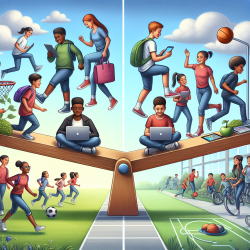
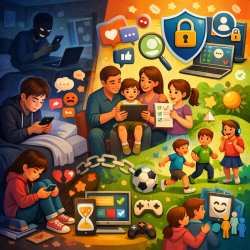
Create a family media plan. A plan works best when it includes both positive uses of technology and tech-free activities (sports, art, reading, outdoor time, clubs, family meals).
Model responsible social media use. Students watch adult habits closely. Modeling can include putting phones away during conversations, taking breaks, and talking out loud about choices like “I’m logging off because I feel stressed.”
Conversation Starters That Actually Work
Many families want to help but aren’t sure how to start without triggering an argument. These questions keep the tone curious and supportive.
“What did you see on social media this week? What do you think those posts meant?”
“How does social media make you feel? Is it more positive, negative, or a mix of both?”
“How much information about you is available on the social media platforms you use? Are we both comfortable with what strangers can see?”
“Do you feel your social media use interferes with schoolwork, activities, or friendships?”
“How can you tell when you might need a break?”
“What can you do to have a positive experience online and resist the pressure to always be connected?”
If you’re supporting a student with an IEP or 504 plan, consider adding structure to these conversations. Some students benefit from sentence starters, emotion scales (1–5), or a simple weekly check-in routine.
Helpful Resources to Share With Families
Schools don’t need to create everything from scratch. These resources can support consistent messaging and practical planning.
Parent Guides from ConnectSafely: Guidebooks on apps, services, and platforms popular with youths and adolescents.
Family Media Plan (American Academy of Pediatrics): A guided tool to help families set expectations and balance tech with offline life.
National Center of Excellence on Social Media and Youth Mental Health (AAP): Evidence-based education to support youth mental health as they navigate social media.
The SIFT Method: Steps students can practice when encountering questionable content and misinformation online.
Family Online Safety Institute: A hub of resources and articles focused on making the online world safer for kids and families.
Where TinyEYE Fits In
Online therapy can be a powerful part of a district’s student support system, especially when staffing shortages make it difficult to consistently deliver services. Whether we’re supporting speech-language needs, mental health, or school-based occupational therapy goals, we can also reinforce the everyday skills that help students succeed in digital environments:
Self-regulation and coping strategies when online stress increases
Social communication skills for group chats, comments, and conflict
Executive functioning supports like time management and “tech breaks”
Collaborative problem-solving with families and school teams
When schools, families, and service providers use shared language and simple routines, students get clearer expectations and more consistent support.
For more information, please follow this link.