Communication Is More Than Words
When we talk about speech and language, we are really talking about how children connect with the people and experiences around them. Communication is how your child understands what others say, shares ideas, and participates in everyday life—at home, in school, and out in the community.
As a Special Education Director, I spend a lot of time in meetings with families and school teams discussing one big question: “How can we help this child communicate more effectively?” The encouraging news is that small, consistent supports—especially early on—can make a meaningful difference.
Why Strong Communication Skills Matter
Good communication skills support learning, relationships, and confidence. When children can express themselves and understand others, they can participate more fully in school and social activities.
Strong communication helps your child:
- Ask for what they need
- Share their thoughts and feelings
- Answer questions
- Follow instructions
- Make friends and build relationships
- Learn new things
- Develop reading and writing skills
- Join in activities and have fun with others
In schools, we often see that communication impacts more than “talking.” It can affect classroom participation, behavior (especially when a child can’t express a need), and academic growth—particularly in early literacy.
How Children Communicate (It’s Not Just Talking)
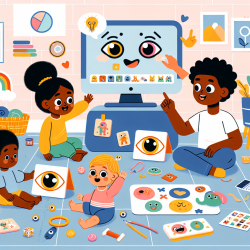
Children communicate in many ways. Speech is only one tool in a much bigger toolbox. Depending on their age, development, and needs, children may communicate through:
- Speaking
- Signing (such as American Sign Language)
- Facial expressions and gestures
- Pictures
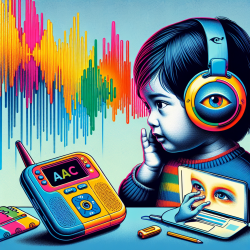
- Technology (including communication devices or apps)
If your child uses pictures, gestures, or a device to communicate, that still “counts.” In fact, giving children reliable ways to express themselves often reduces frustration and supports language growth over time.
The First Three Years: A Powerful Window for Development
The first three years of life are especially important for language and communication development. During this time, children’s brains are rapidly building the foundations for understanding words, using sentences, and engaging in back-and-forth interactions.
What helps most is not expensive materials or complicated programs. It is everyday interaction: talking, listening, and playing with your child regularly.
Simple activities can make a big difference, such as:
- Reading together (even for a few minutes a day)
- Asking questions during routines (like bath time or meals)
- Playing games that involve turn-taking
- Narrating what you are doing (“I’m cutting the apple. Now I’m putting it on your plate.”)
It’s never too early to add language into everyday activities. Children learn best when language is meaningful and connected to what they are doing right now.
Repeat, Repeat, Repeat: How Kids Learn Words
One of the most important things families can remember is that children need lots of exposure to language. The more your child is spoken to, sung to, or read to, the better.
Babies and young children often need to hear and see a new word many times before they truly understand it and use it. This repetition is not “too much”—it is how learning happens.
Here are a few easy ways to build repetition into your day:
- Use the same helpful phrases during routines (“Time to wash hands.” “All done.” “Your turn.”)
- Read favorite books again and again (re-reading builds understanding)
- Label objects and actions during play (“ball,” “roll,” “big,” “fast”)
- Sing simple songs with repeated words and motions
Learning More Than One Language: What Families Should Know
Many children grow up learning more than one language—and that is a strength. Multilingual children can build strong communication skills in two (or more) languages when they have regular opportunities to hear and use each language in meaningful ways.
Key points that families often find reassuring:
- Learning more than one language will not cause or contribute to a language disorder.
- It is normal for children learning more than one language to “mix” words from each language.
- Many multilingual adults switch between languages as part of their culture and community.
- Mixing languages when talking to your child will not confuse them.
If your family uses more than one language at home, the best approach is to talk to your child in the language(s) you are most comfortable using. Children benefit from rich, natural language models. That means:
- Use the language that feels easiest and most natural for you.
- Focus on warm, back-and-forth interactions rather than “perfect” grammar.
- Give your child chances to hear and practice words and sentences in each language through daily routines.
You do not need to teach your child English or French at home if these are not your languages. Your child will have many opportunities to learn the school language once they begin attending school consistently.
Back-and-Forth Interaction: The Best “Strategy” There Is
Whether your child is learning one language or many, the strongest support you can provide is positive, responsive interaction. In school settings, we often describe this as “serve and return.” Your child communicates (a sound, a look, a gesture, a word), and you respond in a supportive way that keeps the interaction going.
Examples include:
- If your child points to a toy, you can label it and expand: “Car! You want the red car.”
- If your child says “dog,” you can build it up: “Yes, a big dog is running!”
- If your child uses a gesture, you can respond with words and encouragement: “You’re showing me ‘up.’ Up you go!”
These small moments—repeated throughout the day—are how language grows.
Monitoring Progress: A Simple Communication Checklist Mindset
Monitoring your child’s communication development can help identify difficulties early. Early support can make a big difference, especially when it targets the specific skills a child needs to participate successfully at home and at school.
If you have concerns, consider noting:
- How your child communicates wants and needs
- How they respond to simple directions
- How they interact with peers and family members
- Whether they seem frustrated when trying to communicate
- Whether you notice progress over time (even small steps)
In my role, I also see how access can be a challenge—many districts face therapist staffing shortages, and families may experience long wait times. This is one reason online therapy services can be a practical way for schools to maintain consistent support for students while meeting legal obligations and service timelines.
How Schools and TinyEYE Can Help
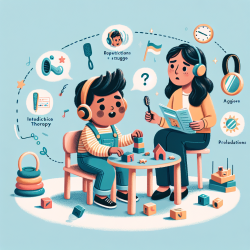
When communication needs impact a student’s access to learning, schools may provide speech-language services and supports. These services are often delivered by speech-language pathologists (SLPs) and may include direct therapy, consultation with educators, and strategies to support communication in the classroom.
TinyEYE partners with schools to provide online therapy services, helping districts maintain continuity of care—especially when in-person staffing is limited. The goal is always the same: to help students communicate more effectively so they can learn, connect, and participate.
For more information, please follow this link.