Why Bilateral Coordination Matters
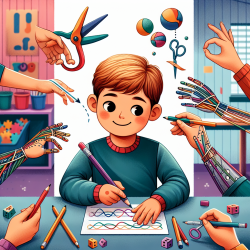
Bilateral coordination is the ability to use both sides of the body together in a smooth, organized way. Sometimes both hands do the same thing at the same time, like holding a ball with two hands. Other times, each hand has a different job, like holding paper steady with one hand while cutting with scissors using the other.
This skill is a big deal for kids because it shows up everywhere in school and daily life. Strong bilateral coordination supports:
- Handwriting and paper management (one hand writes, the other stabilizes)
- Cutting, gluing, and crafting
- Dressing skills like zipping, buttoning, and tying shoes
- Play skills like catching, climbing, and building
- Classroom routines such as opening containers, using rulers, and organizing materials
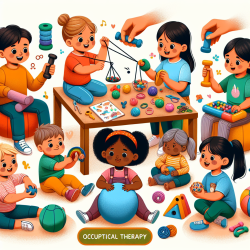
In occupational therapy (OT), bilateral coordination is often a key building block. When kids struggle with it, tasks can look messy, slow, tiring, or frustrating, even when they understand what to do.
What Bilateral Coordination Can Look Like in the Classroom
Teachers and families often notice bilateral coordination challenges during everyday tasks. A child might:
- Switch hands often or avoid using the “helper hand” to stabilize
- Hold paper in the air while cutting instead of keeping it steady on the table
- Have trouble with buttons, snaps, zippers, or tying
- Avoid playground games that require catching or two hand control
- Use awkward body positions, like turning the whole body instead of reaching across
These signs do not automatically mean something is “wrong,” but they can be helpful clues. Occupational therapists look at the whole picture, including strength, motor planning, hand dominance, attention, posture, and sensory processing.
How Occupational Therapy Supports Bilateral Coordination
Occupational therapy focuses on helping kids participate in meaningful daily activities, often called “occupations.” For children, that includes learning, play, self care, and social participation.
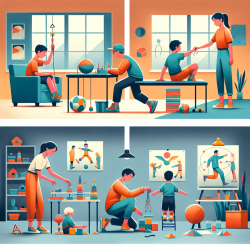
When an OT targets bilateral coordination, they may work on:
- Stabilizer hand use: teaching the non dominant hand to hold and assist
- Crossing midline: reaching across the body without switching hands
- Motor planning: figuring out the steps and timing for a movement
- Postural control: keeping the body steady so the hands can work
- Hand strength and endurance: building the “staying power” for school tasks
In school based OT, goals are tied to educational participation. That might mean improving cutting for classroom projects, increasing independence with school routines, or supporting writing readiness.
3 Types of Bilateral Coordination (With Easy Examples)
It helps to know there are a few common patterns of bilateral coordination. You can mix activities from each type.
1) Symmetrical Movements (Both Sides Do the Same Thing)
- Rolling play dough into a snake using two hands
- Pulling apart and pushing together building toys
- Jumping jacks or animal walks (bear walk, crab walk)
2) Asymmetrical Movements (One Side Stabilizes, One Side Works)
- Cutting with scissors while holding paper
- Opening jars or containers (one hand holds, one twists)
- Coloring while holding the page steady
3) Reciprocal Movements (Alternating Left Right Patterns)
- Climbing ladders or playground equipment
- Pedaling a bike
- Stringing beads with a steady rhythm
Fun Bilateral Coordination Activities for Kids
Below are practical ideas you can use at school, in therapy sessions, or at home. Choose activities that feel playful and match the child’s age and interests. A few minutes of practice, repeated often, can be more helpful than a long session once in a while.
Tabletop Activities (Great for Classrooms and Homework Time)
- Cutting stations: Cut along thick lines, then curves, then simple shapes. Encourage the helper hand to turn the paper while the cutting hand stays in a comfortable position.
- Tape rescue: Wrap painter’s tape around small toys. Kids use two hands to peel tape off, then sort toys by color or size.
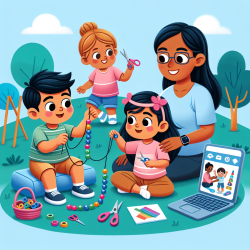
- Bead and lace: String beads, lace cards, or use pipe cleaners. One hand holds the string steady while the other guides the bead.
- Play dough tools: One hand holds the dough, the other uses a roller, cutter, or plastic knife.
- Sticker scenes: Peel stickers with one hand while the other stabilizes the sheet. For an extra challenge, place stickers on a vertical surface like a binder standing up.
Movement Based Activities (Big Fun, Big Skill Building)
- Ball play with two hands: Start with rolling a ball back and forth using two hands. Move to gentle two hand catches with a larger ball.
- Wall push ups: Both hands on the wall, bend and straighten elbows. This builds shoulder stability that supports hand skills.
- Animal walks: Bear walk and crab walk naturally require both sides to work together and help strengthen the core and shoulders.
- Ribbon or scarf games: Hold a scarf in each hand and copy patterns like up up, down down, side to side.
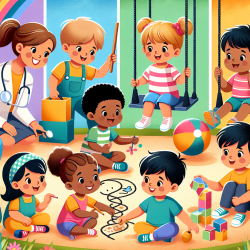
- Obstacle courses: Include crawling, climbing, carrying a bin with two hands, and placing objects into targets.
Daily Life Activities That Count as Practice
- Cooking and baking: Stir with one hand while holding the bowl with the other. Knead dough using both hands.
- Dressing practice: Zippers, buttons, and pulling socks on use both hands in coordinated ways.
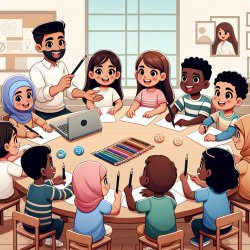
- School supplies routines: Open a pencil case, uncap markers, use a glue stick while holding paper steady.
- Clean up games: Carry a small bin with two hands, then sort items into containers.
Tips to Make Activities More Successful
Small adjustments can make bilateral coordination practice feel easier and more motivating.
- Start with stability: Feet on the floor and a steady chair help the hands work better.
- Use bigger materials first: Larger balls, thicker crayons, and wider laces are easier to manage.
- Teach the “helper hand”: Use simple language like “one hand works, one hand helps.”
- Try vertical surfaces: Coloring on an easel or taping paper to the wall can improve wrist position and shoulder stability.
- Keep it short and frequent: Aim for 5 to 10 minutes a few times per week.
When to Reach Out for Occupational Therapy Support
If bilateral coordination challenges are affecting school participation, independence, or confidence, an OT can help identify what is getting in the way and create a plan that fits the child’s needs.
Consider extra support if a child:
- Regularly avoids fine motor tasks like cutting, coloring, or crafts
- Becomes frustrated or fatigued quickly during writing or desk work
- Struggles with dressing skills past what seems expected for age
- Has difficulty with playground skills that require two hand use
- Shows inconsistent hand use or frequently switches hands mid task
In schools, occupational therapy services are designed to support access to learning. With online therapy options, students can receive consistent support while staying connected to their school routines.
How Online OT Can Help Schools and Students
Online occupational therapy can be a practical way to provide services to students who need them, especially when schools face staffing shortages or scheduling challenges. Sessions can include guided practice with bilateral coordination activities, coaching for school staff, and home friendly ideas for carryover.
At TinyEYE, online therapy is built around collaboration. When therapists, educators, and families share simple strategies and consistent language, kids get more chances to practice the same core skills throughout the day.
For more information, please follow this link.