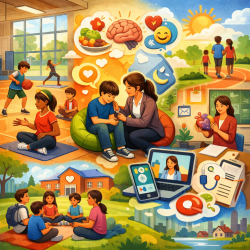
Why Mental Health Literacy Belongs in PE/HE (and Why It Matters More Than Ever)
Mental health isn’t a “nice-to-have” add-on in schools—it’s foundational to learning, behaviour, relationships, and long-term health. The Public Health Agency of Canada defines mental health as the capacity to feel, think, and act in ways that help us enjoy life and handle challenges. In a school setting, that definition becomes very practical: when students can manage stress, regulate emotions, and feel a sense of belonging, they are more available for learning.
That’s why mental health literacy and well-being connect so naturally to Physical Education/Health Education (PE/HE). PE/HE already focuses on skills and knowledge that support healthy living—physical activity, relationships, decision-making, and personal wellness. When mental health literacy is integrated into PE/HE, students don’t just learn “about” health; they practise the habits and skills that help them thrive.
What Positive Mental Health Looks Like in School
When students experience positive mental health, they are more likely to:
- participate in school life and take healthy risks in learning
- manage stressors and adversity more effectively
- feel self-worth, dignity, and belonging
- show respect and empathy toward others
- perform better academically and regulate behaviour more consistently
These outcomes don’t happen by accident. They are shaped by classroom practice, school culture, family partnerships, and access to supports.
A Holistic View: Well-Being as Balance
Many communities understand well-being as balance across multiple parts of the self. An Indigenous perspective described in Manitoba’s resource frames mental well-being as “living the good life” (Mino-Pimatsowin)—a balance of emotional, physical, mental, and spiritual aspects. When students are supported in a balanced way, they are better able to develop their gifts and contribute to the world around them.
For schools, this reinforces an important message: supporting student well-being is everyone’s responsibility, and it works best when it’s built into daily routines—not only addressed when something goes wrong.
What the Pandemic Made Impossible to Ignore
The COVID-19 pandemic amplified stress, uncertainty, and disruption for students and educators. One key lesson identified in Manitoba’s education context is that mental health and well-being must be at the forefront of school community planning. Many schools found that existing curriculum alone could not meet the increased need—especially when students faced isolation, family stress, grief, anxiety, and learning gaps.
This is where mental health literacy becomes a protective factor: it helps students recognize what they’re feeling, understand why it matters, and know what to do next (including when and how to seek help).
The “Whole-School” Strategy That Makes Mental Health Support Stick
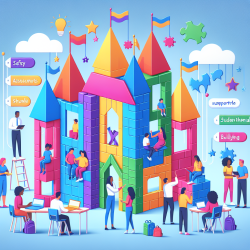
One of the strongest ideas in Manitoba’s guidance is the need for a comprehensive framework for school health—one that addresses mental health and well-being holistically. A widely used model is the Comprehensive School Health (CSH) framework, which is a planned, integrated approach that supports educational outcomes while also addressing physical, psychological, and social well-being.
CSH extends beyond the classroom and includes four interrelated pillars:
- Social and Physical Environment
- Teaching and Learning
- Partnerships and Services
- Healthy School Policy
This matters because student mental health is influenced by what students learn, how safe they feel, who they can talk to, and whether school policies reduce barriers or unintentionally create them.
What Schools Gain from Purposeful Mental Health Promotion
When mental health and wellness programming is planned and sustained, schools can see meaningful improvements across the community. Reported benefits include:
- stronger mental health literacy (knowledge, beliefs, and skills) among students and staff
- improved emotional control and student behaviour
- greater cultural competency, empathy, and respect for diversity
- reduced bullying, harmful substance use, and risky behaviours
- increased social connectedness (peer-to-peer, teacher-to-student, educator-to-educator)
- more opportunities for personal development
- better attention to intersectionality and inequities that shape student experience
- more student-centred learning environments where students value the learning process
Don’t Skip This: Determinants of Health and Equity
Mental health is shaped by more than individual choices. Determinants of health include personal, social, economic, and environmental factors. Social determinants of health—like income, education, and employment—can influence stress levels, access to support, and overall wellness.
Manitoba’s guidance also highlights that experiences of discrimination, racism, and historical trauma are important determinants of health for some groups, including Indigenous Peoples, LGBTQ and Black Canadians. In practice, this means mental health literacy in schools must be paired with equity-focused action: safe environments, inclusive materials, respectful policies, and access to culturally responsive supports.
How Mental Health Literacy Fits Across PE/HE Strands (with Practical Resource Ideas)
PE/HE is already designed to build lifelong health skills. Manitoba’s resource outlines multiple strands where mental health literacy can be supported with classroom-ready tools.
1) Active Living (Movement, Sleep, and Stress)
Physical activity and sleep are deeply connected to mood, attention, and stress regulation. Helpful resources include:
- Canadian 24-Hour Movement Guidelines (physical activity, sedentary behaviour, sleep)
- PHE Canada Learning Centre activities for in-person and remote learning
- ParticipAction resources for children and youth
2) Personal/Social/Mental-Emotional Learning
This is where students build language and strategies for emotions, stress, and help-seeking. Examples of supports mentioned include:
- Canadian Mental Health Association (CMHA) classroom resources (evidence-based mental health promotion)
- Project 11 (classroom-ready mental health programming)
- Sources of Strength (prevention-focused activities related to suicide, violence, bullying, substance use)
- Kids Help Phone: Counsellor in the Classroom (promotes discussion and normalization)
- Mindfulness programs and short stress-management video resources
3) Preventing Substance-Related Harms
Mental health literacy supports better decision-making and reduces risk behaviours. Resources include:
- iMinds (drug and gambling literacy, cross-curricular lesson ideas)
- Back Off Tobacco
- Canadian Centre on Substance Use and Addiction resources
4) Nutrition (Food Literacy and Healthy Eating)
Food, body acceptance, and routines affect energy, mood, and self-image. Resource examples include:
- Canada’s Food Guide
- Food and Nutrition Literacy tools
- Healthy food in schools resources
5) Healthy Relationships (Belonging and Safety)
Relationships are a major protective factor for mental health. Resources include supports for:
- 2SLGBTQ+ inclusion and healthy relationships
- digital/media literacy
- anti-racism and courageous conversations
- religious diversity and inclusive school practices
6) Human Sexuality (Safety, Consent, Respect)
Inclusive, evidence-informed sexuality education supports safety, identity development, and healthy decision-making. Resources include educator tools and guidelines for sexual health education.
Mental Health Doesn’t Live in One Class: Easy Cross-Curricular Integration
One of the most actionable ideas in Manitoba’s document is that mental health and well-being conversations should not be restricted to PE/HE. Integration across subjects can:
- increase student reflection and awareness
- influence knowledge, attitudes, and behaviours
- normalize help-seeking and reduce stigma
Practical ways educators can integrate mental health outcomes include:
- adding a wellness component to readings, assignments, or projects
- including service-provider contact information in course outlines and learning platforms
- connecting mental health discussions to course content through normalized classroom conversations
Examples:
- ELA: choose literature with themes of resilience, identity, stress, or belonging
- Math: use data and modelling tied to physical activity participation
- Social Studies: explore how health issues affect communities differently
- Science: study how exercise influences the brain and body
- Arts: create and respond to work through a mental health and well-being theme
Where TinyEYE Fits: Turning School Intentions into Real Student Support
Even with strong curriculum connections and great classroom resources, many schools face a familiar gap: students need timely access to specialized support, and staffing shortages can make that difficult.
TinyEYE provides online therapy services to schools, helping districts extend their capacity to support student needs. In a comprehensive school health approach, virtual therapy can strengthen the “Partnerships and Services” pillar by making it easier to connect students to qualified professionals—especially when in-person services are limited or waitlists are long.
When therapy services align with school-wide mental health literacy efforts, schools can move from awareness to action: students learn skills in class, and those who need more support can access targeted intervention.
Helpful Manitoba-Based and Canada-Wide Supports to Know
Manitoba’s resource lists multiple supports for youth and adults, including navigation, self-help tools, and crisis services. A few examples include:
- AbilitiCBT information (online CBT program availability details)
- Mental Health Commission of Canada resources and tools
- CMHA Service Navigation Hub
- Shared Health Manitoba Mental Health and Addictions
- Klinic Crisis Line (crisis support and referrals)
For more information, please follow this link.