
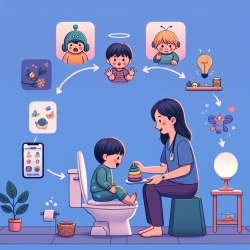
Potty training is often described as a milestone, but for many families it feels more like a marathon. When a child is sensory sensitive, toileting can be confusing, uncomfortable, or even scary. As a Special Education Director, I’ve sat with families and teams who are doing “all the right things” and still feel stuck. The good news is that occupational therapy (OT) offers a supportive, practical lens: we look at the child’s sensory needs, body awareness, routines, and environment—and then we build a plan that is respectful, realistic, and consistent across settings.
This post shares OT-informed strategies for potty training a sensory-sensitive child, with an emphasis on what schools and families can do together. While every child’s readiness is unique, the approaches below can reduce stress and increase success.
Why sensory sensitivity impacts potty training
Toileting is a full-body sensory experience. It involves sound, smell, touch, movement, body awareness, and emotional regulation—all at once. Sensory-sensitive children may experience one or more of these as overwhelming:
Tactile sensitivity: Discomfort with toilet seat temperature, clothing textures, wiping, or feeling “dirty.”
Auditory sensitivity: Fear of flushing, echoes in the bathroom, hand dryers, or running water.
Olfactory sensitivity: Strong reactions to bathroom odors or cleaning products.
Vestibular/proprioceptive needs: Difficulty balancing on the toilet, feeling insecure without foot support, or needing movement before sitting.
Interoception differences: Trouble noticing internal body signals (e.g., “I have to go”) until it’s urgent.
When we recognize that toileting challenges may be rooted in sensory processing and body awareness—not defiance—we can shift from pressure to problem-solving.
Readiness looks different for sensory-sensitive children
Traditional potty training advice often focuses on age or “signs of readiness.” For sensory-sensitive children, readiness may be less about age and more about regulation and predictability. OT teams often look for:
Ability to tolerate the bathroom environment (even briefly)
Some awareness of wet/dry or soiled/clean (even if they don’t communicate it yet)
Capacity to follow a simple routine with support (visuals, modeling, consistent steps)
Periods of dryness that suggest predictable patterns
Interest in routines, imitation, or “helping” with steps like flushing or handwashing
If these skills are emerging, it may be time to begin a gentle, structured plan—without rushing the process.
Start with the environment: make the bathroom feel safe
For a sensory-sensitive child, the bathroom itself may be the barrier. Small adjustments can make a big difference.
OT-friendly bathroom setup ideas
Stable seating: Use a child-sized potty chair or a toilet seat reducer with a sturdy step stool. Feet support matters; dangling feet can increase insecurity and muscle tension.
Warmth and comfort: If the seat feels cold, try warming it briefly (safely) or using a soft seat cover if tolerated.
Lighting: Bright lights can feel harsh. Consider softer lighting if possible.
Sound plan: If flushing is scary, let the child leave the room before flushing, use noise-reducing headphones, or flush at a predictable time with warning.
Smell plan: Use unscented cleaners when possible. Consider a small fan or opening a window.
Reduce visual clutter: Too many items can feel overwhelming. Keep the space simple.
In school settings, we also consider privacy and dignity. A child who feels rushed, exposed, or uncertain may avoid toileting even if they have the physical skills.
Build body awareness (interoception) in everyday routines
Many sensory-sensitive children struggle with interoception—recognizing internal signals like hunger, thirst, fatigue, and the need to use the bathroom. OT can support interoception through structured check-ins and simple language.
Strategies to strengthen “I have to go” awareness
Body check routine: At predictable times (arrival, before snack, before/after recess, before dismissal), prompt: “Let’s check your body. Is your bladder empty or full?”
Use concrete choices: “Is it a little pee, medium pee, or big pee?” Some children respond better to scaled options than yes/no questions.
Pair with visuals: A simple visual showing “body signals” (wiggling, holding, sudden stillness) can help children connect sensations to meaning.
Celebrate noticing: Reinforce the skill of noticing, not just the outcome. “You told me your body needed the toilet—that’s amazing listening!”
These strategies are helpful at home and in school because they build a shared language across the child’s day.
Create a predictable toileting routine (and keep it short)
Sensory-sensitive children often do best with routines that are consistent and brief. A long, uncertain bathroom visit can increase anxiety.
A simple routine example
Walk to bathroom
Pants down
Sit (use a timer for 1–2 minutes to start)
Wipe (with support as needed)
Pants up
Flush (child choice: flush now, flush later, or adult flushes)
Wash hands
Return to activity
OT teams often recommend starting with “practice sits” without pressure to produce. The goal early on may be tolerance and routine participation.
Address tactile challenges with clothing and wiping
For some children, wiping and clothing transitions are the hardest part. Consider:
Clothing simplification: Elastic waistbands, easy-off pants, and avoiding complicated snaps can reduce stress and improve independence.
Wipe tolerance: Try different textures (soft toilet paper, fragrance-free wipes if allowed, damp paper towel). Some children prefer patting rather than wiping.
Teach in steps: Use a visual sequence or social story for wiping and dressing.
Handwashing support: Some children dislike water temperature or soap scent. Offer unscented soap and allow a preferred towel or paper towel option.
In schools, we also plan for staffing realities and privacy. If a child needs assistance, we ensure support is provided respectfully and in alignment with district procedures.
Use regulation tools before bathroom time
If a child is dysregulated, toileting is much harder. OT often recommends a brief regulating activity before scheduled bathroom attempts:
Wall pushes or chair push-ups
Carrying a small stack of books (heavy work)
Animal walks down the hall (if appropriate)
Deep breathing with a visual cue
A short movement break (jumping jacks, marching)
These supports can help the child’s body feel organized and ready to sit.
School-home collaboration: the key to consistency
Potty training is most successful when families and school teams share a plan. In my experience, misalignment is a common reason progress stalls—especially when a child’s sensory needs are significant.
What to align across settings
Schedule: Similar toileting times (or at least predictable routines)
Language: Same words for body signals and steps (“pants down,” “sit,” “all done”)
Visual supports: A shared visual sequence used at home and school
Reinforcement: Consistent, low-pressure encouragement (avoid shame or punishment)
Data: Track patterns (times of day, triggers, successes) to make informed adjustments
If the child receives OT services, toileting goals may be addressed through sensory regulation, routines, dressing skills, and environmental modifications. When appropriate, teams can also consider additional supports through the IEP or a health plan, depending on the student’s needs and district procedures.
When to seek additional support
It’s important to rule out medical contributors and seek guidance when needed. Consider consulting your pediatrician and therapy team if you notice:
Constipation (very common and often overlooked)
Pain with urination or bowel movements
Frequent accidents without any pattern
Extreme fear responses or distress that escalates over time
Regression after a period of success
As districts face ongoing therapist staffing shortages, teletherapy can be a practical way to maintain access to OT expertise, coaching, and consistent strategies. Online therapy services can support school teams with consultation, caregiver collaboration, and individualized sensory-informed plans—especially when in-person staffing is limited.
Potty training a sensory-sensitive child is not about forcing a timeline. It’s about building safety, predictability, and body awareness—one small step at a time. With thoughtful OT strategies and a coordinated home-school plan, many children make meaningful progress toward independence.
For more information, please follow this link.