Food Texture Aversion: What It Is and Why It Matters
Food texture aversion occurs when a child strongly avoids certain textures (for example, “mushy,” “mixed,” “slimy,” “grainy,” or “crunchy” foods) and may gag, refuse, or become distressed when those foods are presented. While many children go through phases of selective eating, texture aversion can be more persistent and can interfere with nutrition, social participation, and daily routines at home and school.
In my role supporting special education teams and related services, I often see how feeding and sensory needs show up in school in unexpected ways: a student who skips lunch, avoids the cafeteria due to smells and noise, struggles on field trips that involve food, or becomes anxious during classroom celebrations. Understanding texture aversion helps us respond with empathy and practical supports rather than pressure, which can unintentionally intensify avoidance.
Common Signs of Texture Aversion
Texture aversion can look different from child to child. Some children eat a wide variety of flavors but only within a narrow set of textures. Others may accept a few “safe foods” and reject most new items. You may notice:
- Gagging, retching, or coughing when trying specific textures (even without choking)
- Refusal of foods that are “mixed” (casseroles, soups, yogurt with fruit pieces)
- Preference for dry, crunchy, or uniform foods (crackers, plain pasta, nuggets)
- Strong reactions to messy hands/face, wiping, or toothbrushing
- Overstuffing the mouth, prolonged chewing, or holding food in cheeks
- Limited diet that impacts energy, growth, or ability to participate in school routines
- Mealtime distress, power struggles, or anxiety around new foods
What Might Be Driving Texture Aversion?
Texture aversion is rarely about “being stubborn.” It is often a child’s way of communicating discomfort, uncertainty, or difficulty processing sensory input. Possible contributing factors include:
- Sensory processing differences: Some children experience textures more intensely. A “slimy” food may feel overwhelming or even threatening.
- Oral-motor skill challenges: Chewing, tongue movement, and coordination can impact how safe a texture feels. If chewing is hard, a child may avoid meats, raw vegetables, or chewy foods.
- Past negative experiences: Choking scares, reflux, vomiting, or painful swallowing can create strong avoidance patterns.
- Medical factors: Reflux, constipation, allergies, eosinophilic esophagitis (EoE), and other GI concerns can affect eating comfort.
- Neurodevelopmental differences: Texture aversion is more common in children with autism, ADHD, anxiety, and other learning or regulation differences, though it can occur in any child.
- Environmental factors: Cafeteria noise, strong smells, time pressure, and social dynamics can reduce a child’s tolerance for non-preferred foods.
Because there are multiple possible drivers, it is important not to rely on a one-size-fits-all approach. The most effective supports are individualized and coordinated across home and school.
When Is It “Typical Picky Eating” vs. a Feeding Concern?
Many children go through developmental phases of selective eating, especially in toddler and preschool years. Consider seeking additional support when you see:
- Weight loss, poor growth, fatigue, or frequent illness
- Very limited variety (for example, fewer than 15–20 consistently accepted foods)
- Ongoing gagging, vomiting, or distress with textures
- Avoidance that affects school participation (skipping lunch, anxiety, behavior changes)
- Concern about swallowing safety, coughing with meals, or recurrent respiratory issues
- Mealtime battles that impact family functioning and the child’s emotional wellbeing
When these red flags are present, a team-based approach is often needed. That may include the child’s pediatrician, a registered dietitian, and therapy professionals such as an occupational therapist (OT) and/or speech-language pathologist (SLP), depending on the child’s needs.
Supportive Strategies Families Can Try at Home
Progress with texture aversion is usually gradual. The goal is to reduce fear and increase comfort through positive, low-pressure exposure. Helpful strategies include:
- Keep “safe foods” on the plate: Pair one preferred food with a small “learning” food so the child can stay regulated.
- Use a step-by-step exposure ladder: Encourage looking, smelling, touching, kissing, licking, and then tasting—without forcing bites.
- Offer tiny portions of new textures: A pea-sized amount is enough for practice.
- Model and narrate: “This is crunchy. I’m taking a small bite.” Modeling reduces uncertainty.
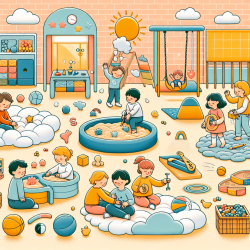
- Make texture play non-food first: Sensory play (playdough, sand, shaving cream) can build tolerance for messy sensations.
- Maintain predictable routines: Regular meal/snack times help appetite cues and reduce grazing.
- Avoid pressure and bargaining: “Just one bite” can increase anxiety. Focus on curiosity and comfort instead.
If a child has a history of choking, significant gagging, or medical concerns, consult a healthcare provider before trying new textures independently.
School-Based Considerations: What Helps Students Succeed
Schools can be powerful partners in supporting students with texture aversion—especially when we focus on access, dignity, and participation. Practical supports may include:
- Lunchroom accommodations: Preferential seating, a quieter area, or noise-reducing strategies for students overwhelmed by sensory input.
- Time supports: Allowing adequate time to eat without rushing can reduce stress and improve intake.
- Consistent expectations across staff: Avoid using food as a reward or consequence. Ensure all adults understand the plan.
- Communication with families: Share patterns observed at school (textures avoided, times of day, environmental triggers) and coordinate strategies.
- IEP/504 alignment: If texture aversion substantially impacts major life activities (eating, learning, self-regulation), the team may consider accommodations or related services based on data and student need.
From a compliance standpoint, it is essential that any supports provided in school are clearly documented, implemented as written, and reviewed regularly. When feeding concerns intersect with disability-related needs, teams should be thoughtful about evaluation data, parent input, and the least intrusive supports that still provide meaningful access.
How OT and SLP Services Can Help
Texture aversion may involve sensory processing, oral-motor skills, and learned avoidance patterns. Depending on the student’s profile:
- Occupational therapy (OT) may support sensory regulation, tolerance for textures, and mealtime routines, including strategies for self-advocacy and coping.
- Speech-language pathology (SLP) may address oral-motor skills, chewing patterns, swallowing concerns, and safe progression of textures when appropriate.
Importantly, therapy should be individualized and data-informed. The most successful plans include measurable goals, consistent carryover strategies, and collaboration with families and school staff.
Addressing Staffing Shortages: How Online Therapy Supports Continuity
Many districts are navigating shortages in OT and SLP staffing. When vacancies or high caseloads delay services, students can lose momentum—especially with gradual skill-building areas like feeding and sensory tolerance. Online therapy can help schools maintain continuity by:
- Providing access to qualified clinicians when local hiring is difficult
- Supporting consistent scheduling and service delivery across the school year
- Facilitating collaboration with educators and families through virtual meetings
- Offering consultative models that build staff capacity while supporting student goals
For districts, the key is ensuring that teletherapy services align with IEP requirements, state and licensure rules, and district procedures for documentation and progress monitoring.
Partnering with Families: A Strength-Based Message
Families of children with texture aversion often hear well-meaning advice that can feel dismissive: “They’ll eat when they’re hungry,” or “Stop giving options.” In reality, texture aversion is frequently rooted in sensory and/or skill-based needs. When schools and families work together, we can reduce stress and create consistent, supportive experiences across settings.
If you are a school team or parent noticing persistent texture-based refusal, consider starting with a shared conversation: What textures are safe? What triggers distress? What does success look like in the next 4–6 weeks? Small, measurable steps—supported consistently—often lead to meaningful progress.
For more information, please follow this link.