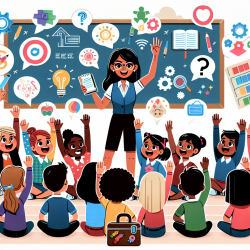
Across North America, cell phones have become one of the most debated topics in K-12 education. The logic behind banning them feels straightforward: phones distract students, so remove phones and students will focus. In practice, it’s rarely that simple.
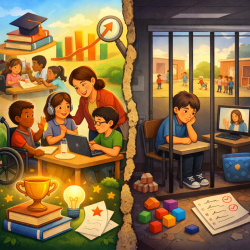
In Manitoba, Canada, for example, all K-12 public schools implemented comprehensive classroom cell phone bans (Province of Manitoba, 2024). Yet research and real-world experience suggest that blanket bans often miss the mark. Instead of improving learning, they can reduce engagement, fail to build real-world skills, and create unnecessary conflict between students, educators, and families.
A growing body of thinking points to a more effective solution: moving from bans to balance. That means setting clear expectations, teaching digital responsibility, and using technology intentionally—rather than treating phones as a problem to eliminate.
The Hidden Problems With Cell Phone Bans
Cell phone bans are usually designed to reduce distractions and improve academic outcomes. But the evidence summarized by educator and administrator Nathan Strange (2025) highlights several reasons these bans can backfire.
1) They can reduce learning and engagement
In today’s classrooms, phones aren’t only social devices—they’re also tools that provide instant access to information. Students use them for quick research, educational apps, e-books, and online resources that can deepen classroom discussions and build critical thinking skills (Magnusson et al., 2023).
Many teachers also use mobile-friendly tools to increase participation, including quiz platforms, interactive discussions, and collaborative activities (Haleem et al., 2022). UNESCO has also noted that while technology can introduce risks and inequalities, it can enhance engagement and learning quality for many learners (Global Education Monitoring Report Team, 2023).
When phones are banned and schools don’t provide alternatives like tablets or laptops, students can lose access to learning supports that make lessons more dynamic.
2) They don’t prepare students for the real world
Phones are everywhere in adult life—workplaces, post-secondary learning, healthcare, and everyday communication. Removing phones from school entirely can remove opportunities to teach responsible use, time management, and digital literacy (Smale et al., 2021).
Instead of helping students develop healthy habits with technology, bans may delay those lessons until students have even more independence and fewer supports.
3) They often don’t achieve the promised outcomes
There is not conclusive evidence that comprehensive bans reliably improve mental health, academic performance, or cyberbullying outcomes (Campbell et al., 2024). In some cases, bans may even reduce student satisfaction and motivation (Smale et al., 2021).
Strange (2025) also points to an important comparison: texting-and-driving bans reduced visible texting, but did not necessarily reduce crashes, injuries, or fatalities (Cheng, 2015). The takeaway for schools is that banning a behavior doesn’t always eliminate the underlying issue—it may simply change how it shows up.
4) They can damage school-community relationships
Strict bans can create friction. Students may hide phones or find workarounds, which can increase mistrust between staff and students and create a “rule enforcement” culture that fuels conflict (Magnusson et al., 2023).
Parents may also push back, especially when they see phones as a safety or communication tool. In Manitoba, parents raised concerns about safety and communication prior to the mandated ban (Baxter, 2024). When families feel excluded from decisions, school-home trust can erode—making it harder to collaborate on student success.
A Better Path: From Ban to Balance
Balanced policies don’t mean “anything goes.” They mean building a structured approach that reduces distraction while keeping the benefits of technology available for learning. Strange (2025) outlines several practical strategies schools can implement.
1) Create a balanced cell phone policy with designated usage times
Instead of a full-day prohibition, schools can define when phones are allowed and when they are not. This can include “phone-free” instructional blocks and planned moments where phones support learning (for example, research time, interactive quizzes, or a quick reflection activity).
Key elements of a balanced policy include:
- Clear rules for when phones are put away and when they can be used
- Defined instructional purposes for phone use (research, collaboration, assessment tools)
- Consistent routines so students know what to expect
- Fair, predictable consequences that focus on reteaching expectations
The goal is normalization: when students see phones used in structured ways, the temptation to use them off-task can decrease.
2) Teach digital citizenship as a core skill (not a one-off assembly)
If schools want students to use technology responsibly, students need direct instruction and practice. Digital citizenship education can be embedded into curriculum and reinforced across grade levels.
Topics can include:
- Privacy and personal data protection
- Managing screen time and attention
- Cyberbullying prevention and reporting
- Evaluating online sources and misinformation
- Building a positive digital footprint
When students understand the “why” behind expectations—and learn how to self-regulate—policies become more effective and less adversarial (Thomas & O’Bannon, 2013).
3) Use phones as learning tools, not just distractions
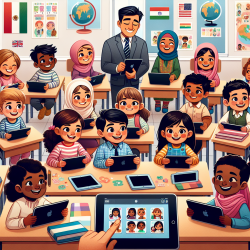
Phones can support engagement when schools intentionally leverage educational technology. Tools for quizzes, polls, collaborative documents, and real-time feedback can increase participation—especially for students who may be quieter in traditional discussions (Haleem et al., 2022).
This is also where equity matters. If a school expects phone-based learning, it must consider students who don’t have reliable devices or data. Balanced policies work best when paired with inclusive planning (loaner devices, offline options, or school-provided technology where possible).
4) Involve parents and students so the approach is consistent
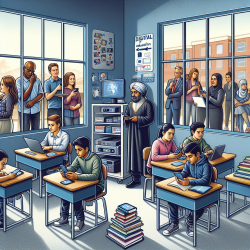
Policies work better when families understand them and students feel they have a voice. Schools can gather input through surveys, listening sessions, and ongoing feedback loops. This helps align expectations between home and school and reduces conflict.
Practical ways to build alignment include:
- Regular communication explaining the rationale and the rules
- Parent workshops or take-home resources on managing technology use
- Student surveys to identify what is and isn’t working
- Peer mentorship programs where older students model responsible use
When stakeholders feel heard, implementation becomes smoother—and the policy is more likely to be followed.
5) Build a technology support team to keep the policy responsive
Technology changes quickly. A policy that works today may not work next year. Strange (2025) recommends forming a technology support team that includes educators, students, and parents to evaluate what’s happening on the ground.
This team can:
- Review feedback and school data (engagement, behavior incidents, satisfaction)
- Recommend adjustments to usage times and expectations
- Track emerging tech trends and classroom needs
- Support staff with consistent implementation
Research also emphasizes the importance of leadership in shaping strong technology culture in schools (Banoğlu et al., 2023). When administrators treat phone policy as an evolving system—not a one-time rule—schools can adapt without constant disruption.
What This Means for Student Support Services (Including Therapy)
At TinyEYE, we work with schools delivering online therapy services, and we see firsthand how student success depends on strong systems—clear expectations, consistent communication, and supportive environments.
Balanced phone policies can support student well-being when they:
- Reduce daily conflict and “power struggles” that increase stress
- Create predictable routines that help students with attention and self-regulation
- Encourage healthy digital habits rather than avoidance
- Support access to learning tools that can increase engagement
Just like effective intervention plans, effective technology policies are most successful when they are proactive, skill-building, and collaborative.
Conclusion: The Goal Isn’t Less Technology—It’s Better Use
Cell phone bans are often introduced with good intentions, but they can unintentionally limit learning, reduce engagement, fail to build real-world digital skills, and strain relationships across the school community. A balanced approach—designated usage times, clear guidelines, digital citizenship education, thoughtful integration of learning tools, and ongoing stakeholder feedback—offers a more sustainable path.
When schools shift from “ban it” to “teach it, structure it, and improve it,” cell phones become less of a daily battle and more of a managed tool within a modern learning environment.
For more information, please follow this link.