
Hypotonia is a medical term that means low muscle tone. In toddlers, it can affect how a child moves, sits, plays, eats, and communicates. Muscle tone is different from muscle strength. Tone refers to the natural tension in a muscle at rest and how ready it is to respond when a child moves. A toddler can have low tone and still be strong, but they may need more effort to hold their posture, stabilize their joints, or coordinate movements.
Because toddlers develop quickly, hypotonia can look different from one child to another. Some children show mild signs that are easy to miss, while others have more noticeable delays in motor skills or daily routines. The good news is that many toddlers with hypotonia make meaningful progress with the right supports, early identification, and consistent practice in everyday activities.
What Hypotonia Can Look Like in Everyday Life
Parents and educators often describe hypotonia as a child seeming “floppy,” “wobbly,” or “tired” during movement. These descriptions can be helpful, but it is important to focus on specific patterns you can observe and share with a pediatrician or therapy team.
Common signs of hypotonia in toddlers
- Difficulty sitting upright without leaning on hands, furniture, or an adult
- W-sitting or other positions that provide extra stability
- Delayed milestones such as crawling, standing, walking, jumping, or climbing stairs
- Frequent falls or seeming unsteady on uneven surfaces
- Trouble with balance activities like stepping over objects or walking on a line
- Fatigue during play, especially with activities that require posture and endurance
- Loose joints or hypermobility, sometimes described as being “double-jointed”
- Challenges with fine motor tasks such as stacking blocks, using utensils, or turning pages
- Messy eating, drooling, or difficulty managing certain textures (in some children)
- Speech that is hard to understand or a quiet voice (in some children), especially if oral motor coordination is impacted
Not every toddler with hypotonia will have all of these signs. Some may primarily struggle with gross motor skills like running and climbing, while others may show more impact in hand skills, feeding, or speech clarity.
Hypotonia vs. Muscle Weakness: Why the Difference Matters
Low muscle tone and muscle weakness can occur together, but they are not the same. A toddler with hypotonia may have muscles that feel less “ready” to activate, which can lead to slower or less efficient movement patterns. Weakness refers to reduced ability to generate force. A clinician may evaluate both because the combination can affect the type of support that will be most helpful.
For example, a child with low tone may benefit from strategies that improve stability, posture, and endurance during everyday routines. A child with significant weakness may need more targeted strengthening and medical evaluation to understand why the weakness is present.
What Causes Hypotonia in Toddlers?
Hypotonia is not a diagnosis by itself. It is a sign that can be associated with many different underlying factors. Sometimes a clear cause is identified, and sometimes hypotonia is described as “benign” or “idiopathic,” meaning no specific medical cause is found and the child improves over time with support.
Potential contributing factors can include
- Genetic or chromosomal conditions
- Neurological differences affecting the brain, spinal cord, or nerves
- Muscle-related conditions
- Prematurity or early medical complications
- Developmental coordination challenges
- Sensory processing differences that affect body awareness and motor planning
If you are concerned, it is best to speak with a pediatrician who can determine whether additional medical evaluation is needed. Early identification helps families access the right services sooner, which can make daily life easier and support long-term development.
How Hypotonia Is Assessed
Assessment usually involves a combination of medical and developmental information. A pediatrician may review pregnancy and birth history, growth, feeding, sleep, and developmental milestones. If needed, they may refer to specialists.
Therapy assessments often look at how low tone affects functional skills. Instead of focusing only on what a toddler cannot do, a strong evaluation identifies what supports help the child succeed and what goals matter most for family routines and school participation.
Therapists may evaluate
- Posture and core stability during sitting, standing, and play
- Balance and coordination during movement
- Joint stability and range of motion
- Fine motor control for grasping, releasing, and manipulating objects
- Feeding and oral motor skills when relevant
- Speech sound clarity, breath support, and overall communication skills when relevant
How Hypotonia Can Affect School and Early Learning
Even in toddler and preschool settings, low muscle tone can influence participation. A child might avoid climbing structures, struggle to sit at circle time, or have difficulty with table-top activities like puzzles and crayons. These challenges are not about motivation. Often, the child is working harder than peers just to maintain posture and control their body.
When schools understand the “why” behind a child’s movement and attention patterns, they can adjust expectations and environments in supportive ways. This helps toddlers build confidence and engage more fully with learning and social play.
Support Strategies That Help Toddlers with Hypotonia
Support works best when it is practical, consistent, and built into everyday routines. Therapy is important, but progress often accelerates when families and educators use simple strategies during play, meals, dressing, and transitions.
Home and classroom strategies to consider
- Prioritize posture support: Use child-sized seating that allows feet to rest on the floor or a stable surface. Good alignment reduces fatigue and improves hand use.
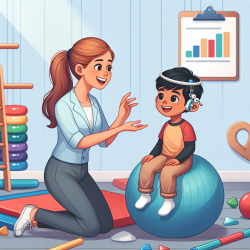
- Build core stability through play: Try activities like crawling through tunnels, pushing a laundry basket, animal walks, or playing on hands and knees with toys.
- Offer short movement breaks: Frequent, brief movement opportunities can help a child reset posture and attention.
- Use stable starting positions: For fine motor tasks, try a supportive chair and table setup instead of floor sitting if the child slumps or leans.
- Choose “just right” challenges: Pick activities that are achievable but slightly challenging, like stepping over a small obstacle or carrying a light object across the room.
- Support joint stability: Avoid positions that strain joints for long periods. If W-sitting is frequent, gently guide the child to alternative positions such as crisscross sitting or side sitting.
- Make stairs and climbing safer: Use handrails, adult supervision, and step-by-step practice. Confidence grows with repetition.
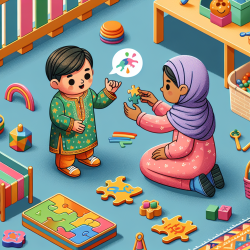
- Encourage hand strength and coordination: Play with playdough, clothespins, large beads, stickers, and simple lacing cards.
When feeding or speech is impacted, a speech-language pathologist can help identify whether low tone or coordination is affecting chewing, swallowing safety, drooling, breath support, or speech clarity. Support may include positioning changes, pacing strategies, and targeted exercises that are appropriate for a young child.
When to Seek Help
Consider reaching out to a pediatrician or therapy provider if you notice persistent delays, frequent fatigue during play, difficulty keeping up with peers, or challenges with daily routines such as dressing, eating, and transitions. Trust your observations. You do not need to wait for a problem to become severe before asking for guidance.
How Online Therapy Can Support Schools and Families
For schools, access to qualified therapists can be a challenge, especially when staffing shortages or scheduling constraints limit services. Online therapy can help bridge gaps by connecting students to licensed professionals who collaborate with educators and caregivers. For toddlers and preschool-aged children, success often comes from coaching adults, modeling strategies, and embedding goals into play-based routines that can be carried over throughout the week.
At TinyEYE, we support schools with online therapy services designed to fit into real school schedules while keeping families and educators involved. When everyone shares the same plan and language, children benefit from consistent support across settings.
For more information, please follow this link.