
As a Special Education Director, I spend a lot of time thinking about transitions—how we help students move from supported learning environments to adult life with confidence, skills, and options. In recent years, one message has come through clearly in conferences, publications, and webinars: when schools build strong career connected learning systems, students benefit academically, socially, and emotionally. That is especially true for students with disabilities, students navigating poverty, multilingual learners, and young people who have historically had less access to networks and opportunity.
Washington State’s “Lessons in Career Connected Learning for Youth and Young Adults” offers a useful roadmap for districts and community partners. The report summarizes a statewide Learning Lab project that studied 21 programs across urban and rural communities. While the programs varied widely, they shared common design elements that can guide any district hoping to expand career pathways—without losing sight of equity and quality.
What is Career Connected Learning (and why does it matter)?
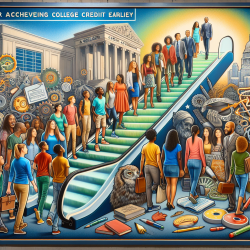
The report organizes career connected learning as a continuum—experiences that become more intensive over time. This matters because students do not jump from “no exposure” to “job-ready” in one step. They need structured, developmentally appropriate opportunities that build knowledge, motivation, and real skills.
Career Awareness: One-time introductions like career fairs, speakers, and worksite tours.
Career Exploration: Short-term, more interactive experiences like job shadows, informational interviews, and mentoring.
Career Preparation: Extended experiences such as internships and supervised work-based learning tied to skill development.
Career Skills Training & Education: Occupation-specific preparation such as apprenticeships and credentialed training programs.
For districts, the practical takeaway is this: if we only offer one stage (for example, a career day), we may spark interest but not create lasting pathways. If we only offer internships, we may unintentionally limit participation to students who already have transportation, confidence, and family support. A coherent system includes multiple entry points and supports students as they progress.
Nine criteria that define high-quality career connected learning
One of the most helpful contributions of the report is a set of nine “Criteria for High-Quality Career Connected Learning.” These criteria are designed to be flexible—useful for a single program or for a districtwide strategy.
Equity: Intentional strategies that remove barriers and ensure outcomes for identified populations equal or exceed outcomes for others.
Person Centered Approach: Youth voice, goal setting, and supports that match a learner’s strengths, needs, and interests.
Structured Learning Component: Clear learning outcomes, coaching, and alignment between classroom learning and work experiences.
Business/Industry & Community Connections: Real relationships that create authentic experiences and mentoring.
Partnership Agreement: Clear expectations for safety, supervision, learning outcomes, and roles.
Assessment & Recognition of Skills: Skill gains are measured and recognized (credits, credentials, evaluations, portfolios).
Part of a Continuum (Not Stand-Alone): Sequenced experiences, coordinated adult supports, and transition planning.
Design Fidelity: Clear program design principles that remain consistent even when adapted to different contexts.
Sustainability & Scale: Realistic funding and infrastructure that can survive leadership changes and grow responsibly.
From a compliance and systems perspective, these criteria also provide a shared language for IEP transition teams, CTE departments, counselors, community agencies, and employers. When everyone uses the same definitions of “quality,” we reduce confusion and improve implementation.
Equity is not a separate initiative—it strengthens every other element
The report highlights equity as the criterion that influences all others. Importantly, it notes that the field does not yet have a single shared definition of equity. However, the Learning Lab programs demonstrated emerging practices in three broad areas:
Program design and evaluation: Removing barriers like transportation, documentation requirements, unpaid placements, and inaccessible application processes.
Organizational systems: Hiring practices, community voice, culturally responsive training, and staff reflection that make equity part of daily operations.
Systems and advocacy: Addressing broader inequities (discipline disproportionality, justice system impacts, hiring barriers) that affect youth pathways.
One practical equity insight that resonated with me: “blast emails and flyers” are not recruitment strategies if your goal is to reach students with the greatest need. Programs that successfully broaden access rely on trusted school champions—teachers, counselors, and case managers—who know students well and actively support them through the process.
Four foundational pillars: what successful communities do consistently
Across the 21 programs, four themes kept appearing. They are simple, but they are not easy.
Leadership: Visible, sustained leadership creates a culture where career connected learning is valued and prioritized.
Relationships: Trusting personal relationships sustain institutional partnerships—yet programs must also “institutionalize” processes so success does not depend on one person.
Relevance: Experiences must be relevant to real jobs and relevant to youth identity, culture, and goals.
Integration: Cross-sector collaboration is essential—education, workforce, human services, and employers must work across silos.
The cautionary note about sustainability is real: the report describes how a promising statewide internship effort ended when leadership changed and institutional support was not strong enough to weather transitions. In district terms, that is a reminder to build durable systems—agreements, documentation, shared ownership—not just enthusiasm.
Genuine employer engagement: moving from “helping kids” to workforce solutions
Employers participate when partnerships make sense for them. The strongest programs invest staff time in cultivating relationships and understanding business needs. They also offer a menu of engagement options—from low-commitment speaking events to internships and apprenticeships—so employers can start small and deepen over time.
A notable shift described in the report is moving from “first jobs” to career pathways. That often means fewer employer partners, but deeper engagement, clearer skill alignment, and better long-term outcomes for students.
Opportunities and barriers in K-12 systems
The report confirms what many of us experience in schools: students respond positively when learning feels connected to life. But implementation can be hard.
Teachers need support: Professional development, industry exposure, and time to design relevant curriculum.
Credit alignment matters: Work-based experiences can be credit-bearing when aligned to standards in math, science, and ELA.
Schools are complex to navigate: Programs benefit from clear points of contact and dedicated coordination roles.
CTE is an underused asset: CTE departments have advisory boards, industry relationships, and applied learning expertise that can benefit all students—not only those enrolled in CTE pathways.
For students with disabilities, these structures matter even more. When a district has clear coordination and a continuum of experiences, it becomes easier to connect IEP transition goals to authentic work-based learning, build self-advocacy in real settings, and ensure supports (transportation, job coaching, assistive technology) are planned rather than improvised.
Technology expands access—when it is implemented intentionally
One of the report’s most timely points is that technology is emerging as an equity strategy. Virtual mentoring and virtual learning can reduce geographic barriers, especially in rural areas, and can connect students to role models they would never meet otherwise.
This is also where TinyEYE’s work aligns with the broader conversation. Districts across North America are facing therapist staffing shortages, and students cannot access services if we cannot staff them. Telepractice is one practical way to reduce service gaps while keeping teams focused on student outcomes and legal compliance.
Similarly, in career connected learning, virtual mentoring and online modules can help districts scale opportunities, especially when transportation, scheduling, and staffing are barriers. The key is the same: strong design, training, and ongoing support for the adults involved.
What districts can do next: a practical starting list
If your district is looking to strengthen career connected learning, these are high-leverage first steps drawn directly from the report’s lessons:
Map your current activities onto the continuum (awareness, exploration, preparation, training) and identify gaps.
Adopt the nine quality criteria as a shared framework for program design and evaluation.
Build equity into recruitment and participation (transportation, paid opportunities when appropriate, coaching through applications).
Create or strengthen a dedicated coordination role to bridge schools, employers, and community partners.
Use data for quality improvement, not just compliance reporting—disaggregate participation and outcomes by demographics.
Institutionalize partnerships so they survive staff turnover (templates, agreements, onboarding processes, shared documentation).
Career connected learning is not a “nice to have.” It is a student engagement strategy, a workforce strategy, and—when done well—an equity strategy. Our students deserve pathways that are real, supported, and built to last.
For more information, please follow this link.