Swings: A Playground Favorite That Can Feel Terrifying
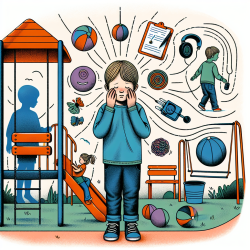
For many children, the swing set is the best part of recess. For others, it’s a place they avoid entirely. If a child is scared of swings, adults sometimes assume it’s simply fear, stubbornness, or a “phase.” But in many cases, swing avoidance is connected to sensory processing—especially how a child’s body interprets movement and balance.
Understanding the sensory reasons behind swing fear can help schools and families respond with empathy and effective support. With the right strategies, many children can become more comfortable with swings and other movement activities, improving participation in play, confidence, and social connection during recess.
Why Swings Can Trigger Sensory Overload
Swings provide strong sensory input. The back-and-forth motion stimulates the vestibular system (the system in the inner ear that helps us understand movement, balance, and spatial orientation). For some children, vestibular input feels organizing and calming. For others, it can feel unpredictable, intense, or even nauseating.
When a child says, “I don’t like swings,” what they may be communicating is that their body doesn’t feel safe with that kind of movement. This can show up as fear, avoidance, crying, clinging to an adult, or refusing to approach the swing area.
Common Sensory-Based Reasons a Child Avoids Swings
There isn’t one single cause. A child may be scared of swings due to one or several sensory and motor factors.
- Vestibular sensitivity: Some children experience movement as “too much.” Swinging can create dizziness, nausea, or a sense of panic because the body is receiving intense motion signals.
- Gravitational insecurity: This is a term often used when a child has an intense fear response when their feet leave the ground or when their head position changes. The child may appear unusually cautious with climbing, jumping, or stepping off curbs.
- Low muscle tone or core weakness: If it’s hard to stabilize the body, swinging can feel unsafe. A child may fear falling because they can’t maintain posture or grip as easily.
- Motor planning challenges: Getting onto a swing, holding on, coordinating legs, and timing movement can be complex. If a child struggles with planning and sequencing movements, the swing may feel confusing and risky.
- Past negative experience: A fall, a bump, or being pushed too fast can create a strong memory. Even if the child wants to try again, their body may react with fear.
- Visual or spatial discomfort: Rapid movement can make it hard to track the environment visually. Some children feel overwhelmed when the world appears to “move” around them.
Signs It Might Be Sensory (Not Just Typical Caution)
Many children are cautious at first, and that can be developmentally normal. Sensory-related swing fear often has patterns that stand out across settings.
- The child avoids other movement activities too (slides, climbing structures, jumping games).
- The child becomes distressed when feet leave the ground (even during games like “airplane” or being lifted).
- The child asks to stop quickly, looks pale, or seems nauseated after brief movement.
- The child becomes dysregulated after recess (meltdowns, fatigue, irritability, withdrawal).
- The child prefers predictable movement (walking in straight lines) and avoids spinning, bouncing, or uneven surfaces.
How Schools Can Support a Child Who Is Scared of Swings
Playground participation is about more than fun—it’s a key part of social development, confidence-building, and self-regulation. When a child avoids swings, the goal isn’t to force them to swing. The goal is to help them feel safe, build trust in their body, and gradually expand their comfort zone.
1) Start With Choice and Control
Fear often increases when a child feels they have no control over movement. Offer choices that allow the child to stay in charge.
- Let the child choose whether to sit, stand nearby, or hold the swing while keeping feet on the ground.
- Ask permission before pushing and agree on a “stop” signal.
- Start with tiny movements and let the child request “more” when ready.
2) Use Gradual Exposure (Tiny Steps Count)
Gradual exposure works best when it’s predictable and consistent. A child may need days or weeks to move through steps.
- Stand near the swings and watch others.
- Touch the swing chains or seat.
- Sit on the swing with feet firmly on the ground.
- Rock gently by shifting weight, feet still touching.
- Lift feet for one second, then stop.
- Increase time and distance slowly.
Celebrate effort, not distance or speed. A child who sits on the swing calmly for 10 seconds has made meaningful progress.
3) Consider Alternative Swing Options
Some swing types feel more secure than a traditional belt swing.
- Platform swings provide a larger base of support.
- High-back or bucket swings increase stability for younger children.
- Glider swings can feel more predictable because the child can control movement with their legs.
If the school has limited equipment, staff can still focus on building vestibular comfort through other safe movement activities.
4) Build Core Strength and Postural Stability Through Play
If physical stability is part of the challenge, strengthening activities can help the child feel safer in motion.
- Animal walks (bear walk, crab walk) in short, fun bursts
- Wall push-ups or chair push-ups
- Obstacle courses that include crawling and climbing at low heights
- Carrying light items (books, small bins) with supervision
5) Offer Predictable “Movement Breaks” Outside the Swing Set
If swings are overwhelming, children may still benefit from movement in a more controlled way.
- Walking laps with a friend or adult
- Marching to a beat
- Slow stepping patterns (step up/step down) on a low surface
- Yoga poses focused on balance (tree pose with support)
These activities can support regulation and confidence without triggering the same fear response.
What Not to Do (Even When You’re Trying to Help)
Well-meaning adults can accidentally increase fear by moving too fast or minimizing a child’s experience.
- Don’t push the swing hard “to show it’s fun.” Fast movement can reinforce the fear response.
- Don’t surprise the child by lifting their feet or pushing without consent. Unexpected motion can feel unsafe.
- Don’t compare them to peers. “Everyone else can do it” often increases shame and avoidance.
- Don’t force participation. Forced exposure can backfire and make future attempts harder.
When to Seek Additional Support
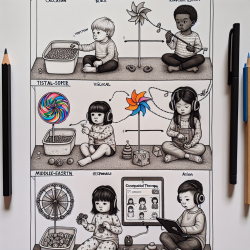
If swing fear is intense, persistent, or affecting a child’s ability to participate in school routines, it may be helpful to consult a professional. Occupational therapists (OTs) often support sensory processing, motor planning, and participation in play. Speech-language pathologists (SLPs) may also support emotional regulation and communication strategies, especially if anxiety or difficulty expressing needs is part of the challenge.
In a school setting, therapy support can include observation of recess routines, collaboration with educators, practical strategies for playground success, and individualized goals that respect the child’s pace.
How Online Therapy Can Help Schools Support Sensory Needs
Online therapy services can help schools expand access to specialized support, especially when in-person providers are limited. Through virtual collaboration, therapists can:
- Help identify sensory and motor factors contributing to swing avoidance
- Provide step-by-step plans for gradual exposure and confidence-building
- Support staff with practical strategies that fit real recess environments
- Partner with families to align strategies across school and home
When schools, families, and therapists work together, children are more likely to feel understood—and more willing to try challenging activities over time.
For more information, please follow this link.